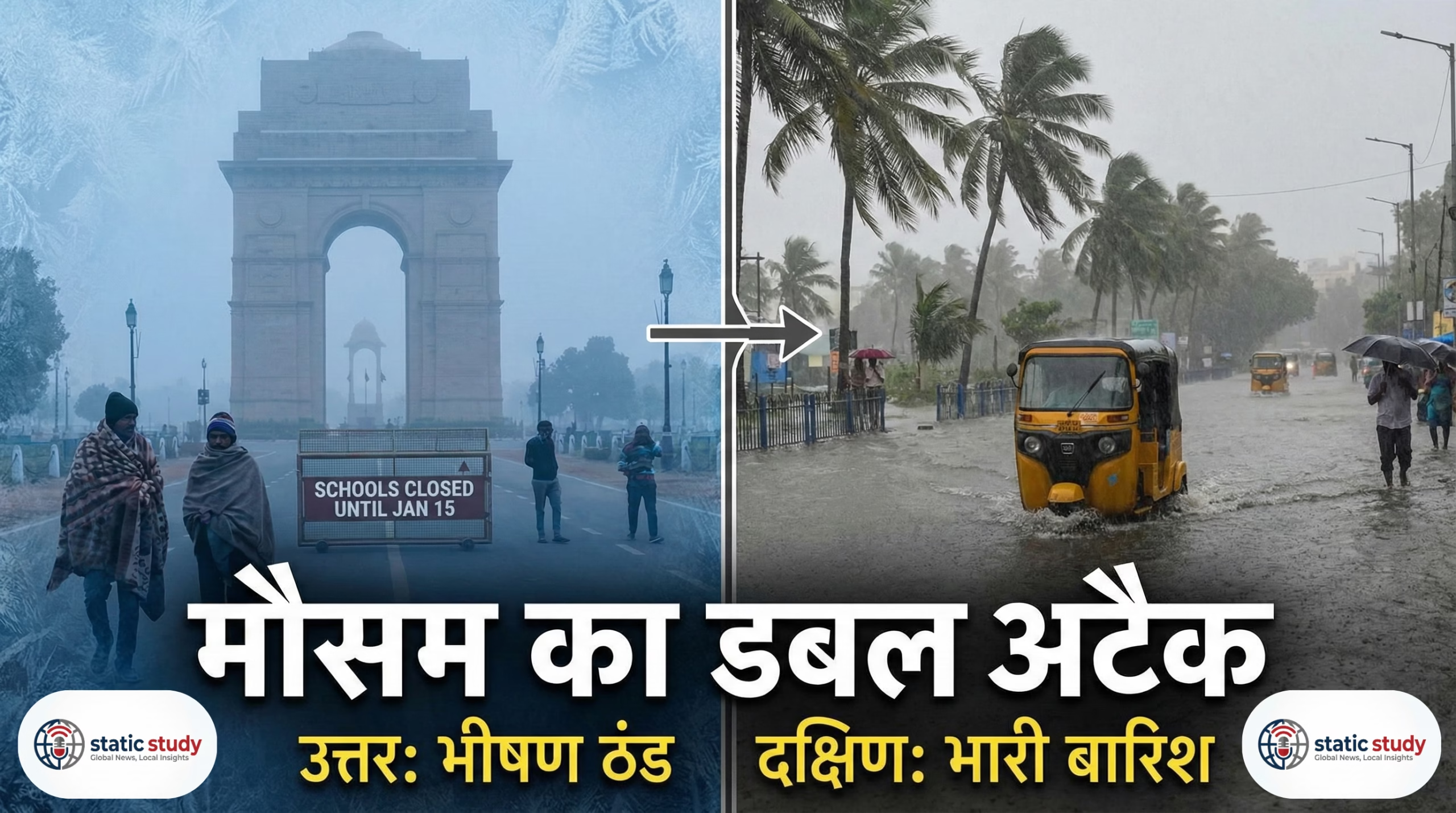



Introduction to the Winter Storm
With a winter storm warning in effect, the impending winter storm is expected to significantly impact numerous regions across the country this weekend. As forecasts predict severe weather conditions, residents in the affected areas are urged to stay vigilant. They should prepare for potential disruptions due to heavy snowfall, strong winds, and hazardous travel conditions. Meteorologists have classified this event as a blizzard warning. This indicates that the storm will produce low visibility, extreme wind chills, and substantial snow accumulation.
Timing for the onset of the storm varies by region, with precipitation likely beginning Friday evening and intensifying throughout Saturday. Areas currently under advisories should anticipate challenging weather conditions that could persist into Sunday. The prolonged storm includes the warning of possible power outages, road closures, and travel delays. This emphasizes the need for preparedness among residents facing the winter storm warning.
The implications of a blizzard warning are significant. Strong winds combined with heavy snowfall can create whiteout conditions, making it difficult for even the most experienced drivers to navigate safely. Furthermore, these severe conditions may pose risks to public safety. These include an increased likelihood of accidents and injuries related to the winter storm. Thus, it is critical for individuals to stay informed through local news sources and weather updates about the ongoing situation surrounding the warning. This ensures they are aware of the latest developments regarding the storm’s path and intensity.
In light of the approaching winter storm, residents are encouraged to gather essential supplies, assess their home safety measures, and formulate a plan, especially if evacuation becomes necessary. Heating systems should be checked, and emergency kits should be stocked. Preparedness is key during such unpredictable weather phenomena. Conditions may worsen rapidly with the warning in place, and access to resources could become limited.
Forecast and Expected Weather Conditions
The impending winter storm affecting the region is forecasted to bring significant and hazardous weather conditions, particularly across South Dakota and Minnesota. According to meteorological reports, the anticipated snowfall amounts could reach up to 12 inches in certain areas. Localized accumulations could potentially exceed this figure. The heaviest snowfall is expected to affect northern areas of South Dakota transitioning into southeastern Minnesota. This makes these zones particularly prone to dangerous driving and travel disruptions.
In addition to snowfall, wind speeds are projected to be quite formidable. They range from 20 to 30 mph with occasional gusts exceeding 40 mph. The winter storm warnings are further supported by such wind conditions, which will contribute to considerable blowing and drifting of snow. This will complicate travel and potentially lead to white-out situations where visibility is severely compromised during a storm warning.
The storm is expected to begin its progression late on Sunday, with snowfall intensifying overnight into early Monday morning. Meteorologists predict that the heaviest precipitation will occur during the early hours of Monday. This will lead to challenging conditions for the morning commute. Areas under the greatest threat will experience not just light snow but rather heavy, wet snow that can impact power lines and trees. This presents additional risks to safety and infrastructure amid the winter storm warnings.
As the storm moves northeast, conditions will gradually improve in South Dakota by late Monday morning. However, Minnesota may continue to face hazardous winter weather into the afternoon. Residents are urged to stay informed through local weather updates and prepare accordingly for the severe weather expected to unfold throughout this period.
Travel Risks and Safety Precautions
Traveling during a winter storm can pose significant hazards, particularly in conditions characterized by near-blizzard scenarios. Reports indicate that wind gusts may reach up to 55 mph. This creates treacherous driving conditions with reduced visibility and the warning signifies increased chances of vehicle skids. It is crucial for travelers to understand these dangers and to take appropriate safety measures.
Before undertaking any journey, it is advisable to monitor weather forecasts regularly. If a storm warning has been issued, travelers should consider postponing their travel plans, if possible. Even short trips can become perilous in rapidly changing weather conditions, so one must always err on the side of caution.
For those who must travel during such conditions, preparation is key. Ensure that your vehicle is winter-ready. This includes having adequate tire tread depth, functioning headlights, and a full fuel tank. Additionally, an emergency kit should be a priority. This kit should contain items such as blankets, a flashlight, non-perishable food, water, and a first-aid kit. These supplies can be invaluable in the event of a roadside emergency.
It is also essential to inform someone of your travel plans when facing winter storm warnings. Let a family member or friend know your route and estimated arrival time. This step can help ensure that someone is aware of your whereabouts in case disruptions occur. Furthermore, while traveling, maintain a safe distance from other vehicles and reduce speed to account for slick road conditions.
In adverse weather situations, the focus should always be on safety over timeliness. When faced with severe winter weather warnings, heed the messages and do not attempt to travel if conditions are unsafe. Remember, your safety is paramount, and there will be alternative avenues to reach your destination once the storm has passed.
Updates and Ongoing Monitoring
As winter storms approach, staying updated with the latest weather developments becomes paramount for ensuring safety and preparedness. With constantly evolving conditions, it is essential to leverage available resources that provide real-time updates on storm progress and related advisories. One of the most effective ways to receive timely information is through local weather reports. These reports are crucial as they offer insights tailored to specific regions impacted by the warning. They can highlight urgent alerts relevant to your area.
Many meteorological services offer dedicated websites and applications that deliver instant notifications about severe weather conditions, including winter storm warnings. Utilizing these platforms can keep you informed about how the storm may impact travel, power outages, and other critical factors. Furthermore, the National Weather Service (NWS) provides comprehensive information on weather alerts and safety tips. This can enhance your preparedness against severe winter weather.
Social media channels have also emerged as an important resource for real-time updates. Following official accounts of local emergency management and weather agencies can provide instant access to the latest advisories and safety reminders. These platforms often share live updates, photos, and even videos of changing conditions, helping you visualize what to expect. As such, remaining engaged with these accounts can significantly improve your situational awareness during a winter storm alongside the warnings.
In addition, consider signing up for emergency notification systems that can deliver alerts directly to your phone or email. Many communities offer such services to ensure residents are apprised of hazardous weather developments due to warnings. By integrating various sources of information, you can create a comprehensive understanding of the storm’s trajectory and adjust your preparations accordingly.