

Background of the Incident
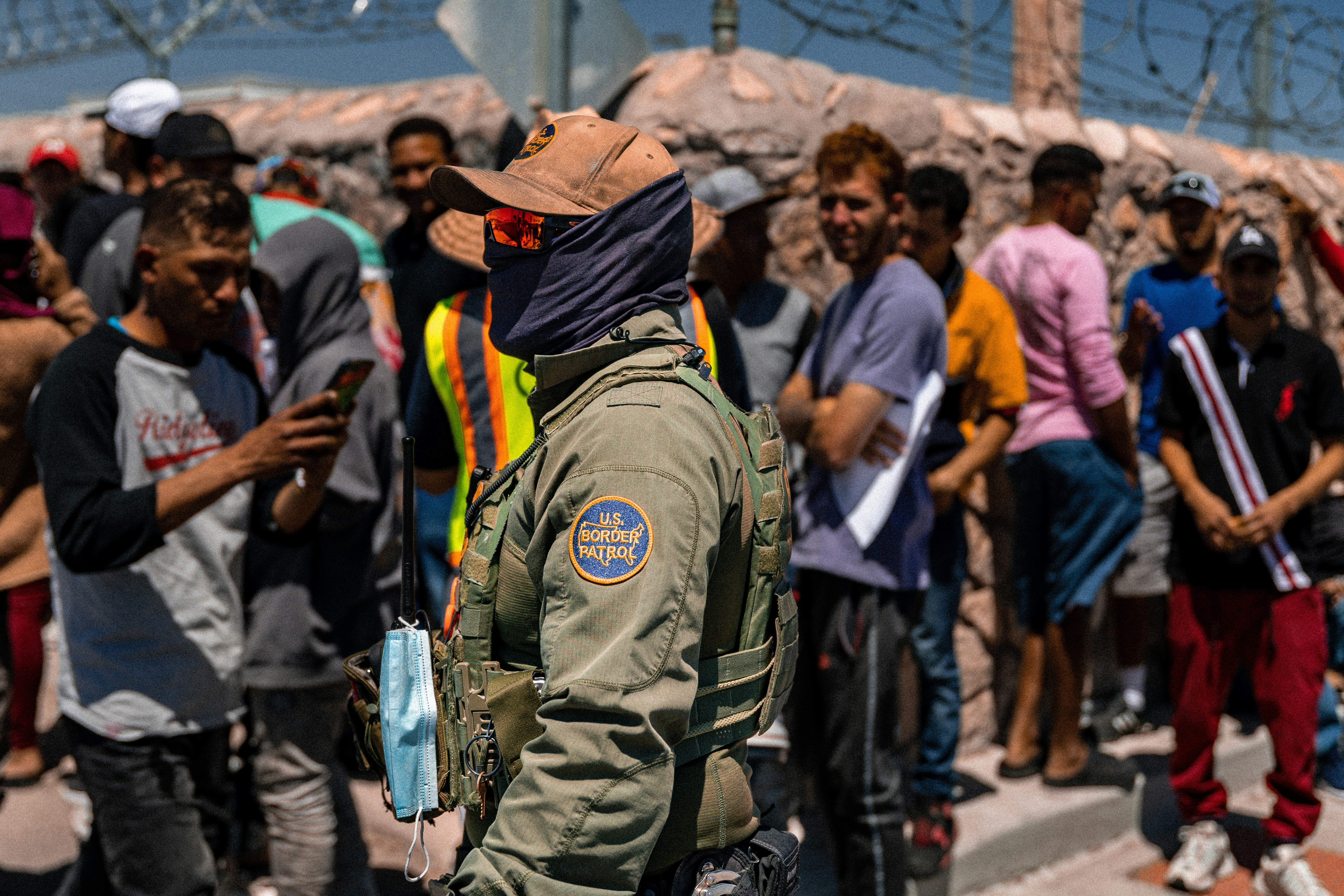
The tragic shooting incident involving an ICE officer and 37-year-old Renee Nicole Macklin Good occurred against a backdrop of heightened immigration enforcement under the Trump administration. Throughout his tenure, there was a marked increase in the presence of federal immigration agents in major urban areas, albeit with varied reactions from local authorities and communities. These intensified operations aimed at targeting undocumented immigrants often raised contentious debates surrounding law enforcement practices and community safety.
In the specific context of Minneapolis, the demographics reveal a significant diversity within the population, with a noticeable immigrant community comprising various nationalities. The incident’s location is particularly poignant, as Minneapolis found itself in the national spotlight due to previous events, including the death of George Floyd, which ignited widespread protests and discussions about racial justice and policing dynamics. This geographic relationship amplifies the scrutiny of police actions and underscores the complex intersection of immigration policy and community relations.
The circumstances of the shooting incident itself have sparked considerable concern and discussion, drawing attention to the role of ICE officers as they navigate their enforcement responsibilities within populated civilian areas. Many viewed the incident as emblematic of larger systemic issues, including the severe implications of aggressive immigration tactics and the potential for confrontations resulting in violence. As communities struggle to balance public safety with the rights and well-being of all residents, the incident serves as a reminder of the ongoing tensions surrounding immigration enforcement and civil rights in America. This undercurrent of anxiety shapes the community’s response and highlights the broader implications of such federal actions in urban environments.
Reactions and Descriptions of the Event
The tragic shooting incident involving an Immigration and Customs Enforcement (ICE) officer and a Minneapolis driver has elicited a range of reactions from officials, community leaders, and witnesses. Federal officials, including Homeland Security Secretary Kristi Noem, characterized the fatal shooting as an act of self-defense. In her statement, she emphasized the officer’s need to protect his life when faced with imminent danger during the enforcement of immigration policies. This position underscores a broader narrative within federal law enforcement regarding the contentious nature of immigration enforcement in urban areas.
Conversely, the local response from Minneapolis Mayor Jacob Frey reflected a starkly different viewpoint. Mayor Frey condemned the actions of the ICE officers involved in the incident, calling for a re-evaluation of aggressive law enforcement tactics related to immigration crackdowns. In a public statement, he remarked, “This shooting is a clear indication that we need to reconsider how we approach immigration enforcement to prevent future tragedies.” His sentiments resonate with many community members who view the ICE presence as disproportionate and fear-inducing, particularly within vulnerable populations.
Witnesses present at the scene provided harrowing accounts of the event. One witness described the chaos that unfolded, sharing, “It all happened so fast; there was shouting and then gunshots. It was terrifying to see someone lose their life in front of us over a traffic stop.” This testimony reflects the emotional turmoil and shock experienced by those who witnessed the shooting. Many community members have expressed feelings of anger and sorrow, arguing that such incidents highlight systemic issues in how immigration enforcement is conducted. They advocate for reforms that prioritize community safety and peace over aggressive tactics.
The contrasting responses to this incident demonstrate the divisive nature of immigration enforcement policies in the U.S., sparking debates on self-defense, community safety, and the need for change.
Civic and Community Response
In the wake of the tragic shooting involving an ICE officer and Minneapolis driver Macklin Good, the community responded with profound grief and anger. A vigil was organized shortly after the incident, drawing significant attendance from local residents, activists, and concerned citizens. This gathering not only served as a memorial for Good but also as a platform for people to voice their frustrations regarding federal immigration enforcement policies and the actions of law enforcement agencies.
The turnout at the vigil demonstrated a strong collective sentiment against the use of lethal force by immigration officers, fostering a dialogue about community safety and civil rights. Protesters, many of whom were directly affected by immigration issues, rallied in solidarity, calling for justice for Good and accountability for the officers involved. This mobilization underscores growing concerns about the intersection of immigration enforcement and police practices, intensifying scrutiny on ICE operations within urban environments.
The shooting has sparked renewed discussions regarding the broader implications of immigration policies across the nation. Community leaders, including city officials and civil rights advocates, have voiced their opposition to ICE’s aggressive tactics, arguing that they instill fear within immigrant populations and undermine public trust in law enforcement. Demonstrations and community forums have emerged, focusing on themes of justice and the necessity for reform in policing that prioritizes human rights.
This incident has fueled both local and national conversations regarding the role of ICE and enforcement agencies in civilian life, raising critical questions about their accountability and the impact of their actions on marginalized communities. The immediate fallout from this tragedy serves as a catalyst for further advocacy against perceived injustices, ensuring that the voices of those affected by such policies are amplified in both community and political arenas.
Investigation and Future Implications
The tragic shooting incident involving an ICE officer and a driver in Minneapolis has raised significant concerns regarding the ongoing enforcement of immigration laws in the United States. Following the shooting, federal officials announced that the Federal Bureau of Investigation (FBI) would be leading the inquiry into the circumstances surrounding the event. This investigation is crucial, as it will not only seek to establish the series of events that led to the fatal encounter but also assess any justified use of force by the ICE officer involved.
This incident is the latest in a series of confrontations between federal immigration enforcement agents and individuals within communities that are already on high alert regarding immigration policy. Legal experts have expressed concerns that such high-profile shootings could further exacerbate tensions between local law enforcement agencies and federal immigration authorities. This concern is particularly pressing given the complex relationships that exist between these entities, especially in jurisdictions with varying degrees of cooperation with ICE.
Furthermore, civil rights organizations have already started voicing their objections, asserting that incidents of this nature could deter immigrant individuals from engaging with law enforcement, even in situations where they may be victims or witnesses to crimes. The chilling effect could lead to increased criminal activity within immigrant communities, as fears of deportation overshadow the willingness to report crimes or seek help.
Looking ahead, the implications of this shooting could potentially redefine immigration enforcement practices in the U.S. If the inquiry reveals patterns of misconduct or excessive use of force, it may lead to calls for policy reform and greater oversight of federal immigration agencies. This situation serves as a critical reminder of the delicate balance required between the enforcement of immigration laws and the protection of civil liberties in affected communities.