

Introduction to the Match
The T20 World Cup 2026 opener sets the stage for an electrifying encounter between Pakistan and the Netherlands, taking place in the vibrant city of Colombo. This match not only marks the beginning of a prestigious tournament but also serves as a vital opportunity for both teams to assert their presence on the global stage. The significance of this encounter extends beyond mere competition; it embodies the spirit of cricket, where passion and strategy collide in a quest for glory.
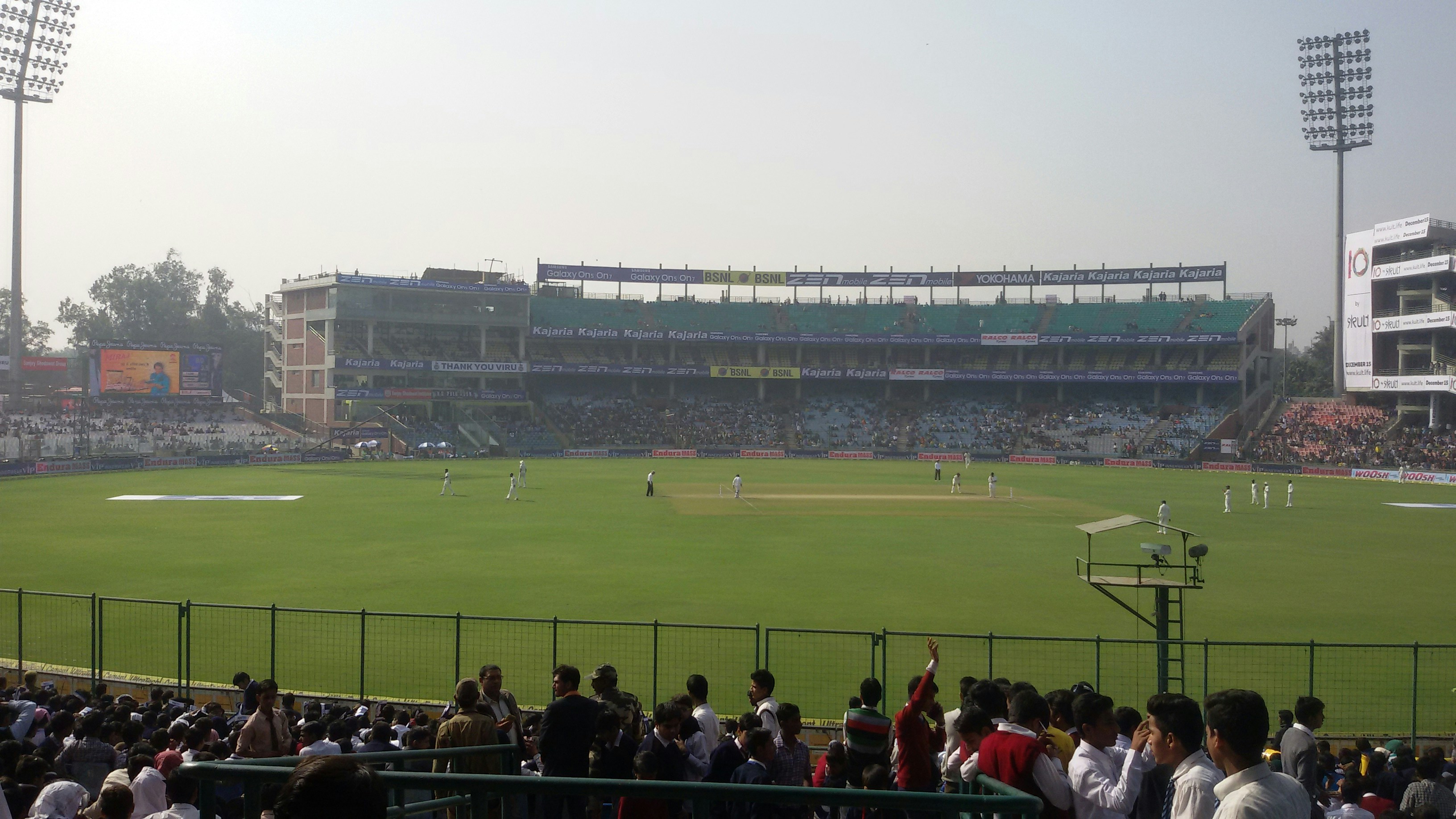
Thank you for reading this post, don't forget to subscribe!Colombo, known for its rich cricketing history and enthusiastic fans, provides a fitting backdrop for the opening match. The conditions here, often characterized by warm weather and a pitch conducive to run-scoring, promise to deliver an exciting spectacle for players and spectators alike. As hosts, the local organizers have ensured that all arrangements are in place to create an atmosphere filled with anticipation and enthusiasm.
Both Pakistan and the Netherlands come into the match with extensive preparations, having undergone rigorous training camps and practice matches designed to optimize their performance. Pakistan, a three-time T20 World Cup champion, is expected to leverage its rich cricketing experience and depth in talent. Meanwhile, the Netherlands aims to showcase its growth in the shorter format, aiming to make a significant impact in their campaign.
Expectations run high as both teams eye a strong performance to kick off their World Cup journey. For Pakistan, a victory not only enhances their prospects in the tournament but also boosts morale ahead of crucial matches. On the other hand, the Netherlands seeks to create an upset, marking their presence as a competitive side in T20 cricket. This match sets the tone for the tournament, making it a must-watch for cricket fans around the world.
The Toss: Pakistan Wins and Opts to Bowl
The opening match of the T20 World Cup 2026 between Pakistan and the Netherlands witnessed a pivotal moment during the toss, where Pakistan’s captain, Salman Agha, called correctly and opted to bowl first. The decision was preceded by a thorough evaluation of the pitch conditions, which both captains had to navigate meticulously.
Salman Agha assessed the cloudy conditions prevailing in the stadium on match day, indicating an inherent advantage for bowlers, particularly in the early stages of the game. Scott Edwards, the Netherlands’ captain, acknowledged the unpredictability of the pitch, remarking on its potential to assist seam and swing bowlers. This crucial insight played a significant role in influencing the captains’ strategies ahead of the game.
The choice to bowl first can be attributed to several factors. Historically, teams in T20 matches have found success by batting second, especially in overcast conditions. This is primarily due to the dew factor, which can make it challenging for bowlers to grip the ball effectively later in the evening. Agha’s decision reflects Pakistan’s understanding of how conditions could evolve, potentially allowing them to capitalize on the early moisture that aids seam movement.
Moreover, with a formidable bowling lineup that includes a mix of pace and spin options, Pakistan has the resources to exploit any assistance the pitch may offer. Their strategy places confidence in their bowlers to restrict the Netherlands to a manageable total while showcasing Pakistan’s dynamic approach to T20 cricket.
Overall, Pakistan’s decision to field first at the toss not only highlights their keen tactical awareness but also sets the stage for an intriguing encounter against the Netherlands, with both sides eager to start their tournament campaign on a high note.
Team Line-ups and Key Players to Watch
The opening match of the T20 World Cup 2026 between Pakistan and the Netherlands presents a fascinating insight into both teams’ strategic compositions and important individual players. Pakistan is known for its formidable bowling attack, particularly in T20 formats, and this match showcases that strength with the inclusion of prominent seam bowlers in their lineup. Bowlers such as Shaheen Afridi and Haris Rauf are expected to lead the charge, bringing both pace and precision to the bowling unit. Their ability to swing the ball and bowl in the death overs will be crucial as they aim to exploit any weaknesses in the Dutch batting order.
Pakistan’s batting lineup, traditionally strong, features several key players who can stabilize the innings or accelerate when necessary. Babar Azam, the captain, is renowned for his consistency and capability to anchor the innings, while players like Mohammad Rizwan and Fakhar Zaman add explosive firepower to the middle order. Their understanding of T20 dynamics will be vital as they look to set or chase a challenging target.
On the other hand, the Netherlands has assembled a squad that reflects their adaptability to varied playing conditions. Key players such as Max O’Dowd and Bas de Leede have shown impressive skills, providing stability at the top and middle of the order, respectively. The team’s selection indicates a tactical approach focused on resilience and flexibility, especially in response to the conditions encountered during their recent tour. Bowlers like Paul van Meekeren and Fred Klaassen will also play significant roles, aiming to contain Pakistan’s aggressive batting and utilize any assist from the pitch.
Both teams’ selections emphasize strategic planning, with Pakistan relying on their superior seam bowling and the Netherlands focusing on leveraging adaptability against a more established opponent. This clash of strategies will undoubtedly make for an intriguing contest in the tournament’s opener.
Expectations from the Match
The opening match of the T20 World Cup 2026 between Pakistan and Netherlands carries significant weight, both for the teams and their supporters. Insights from the toss can provide early indicators regarding the anticipated outcomes. Traditionally, winning the toss in a T20 format can influence a team’s strategy profoundly. Given that both teams have undergone distinct preparations leading into this tournament, the composition of the teams will play a critical role in shaping the match’s dynamics.
Pakistan, historically strong in the T20 format, will likely rely on their experienced players to leverage their skill and create opportunities for success. They might adopt an aggressive batting approach, utilizing their power hitters to set a formidable score. It is essential to recognize that their bowling attack, featuring both pace and spin options, can prove vital in containing the Netherlands’ scoring rate. The strategy could revolve around early breakthroughs, aiming to uphold pressure on the opposition.
On the other hand, the Netherlands, as the underdog in this fixture, may adopt a more cautious yet strategic approach. They could focus on building partnerships and capitalizing on minor lapses of focus from the Pakistani side. A slow and steady buildup of runs, along with a robust fielding effort, could be the cornerstone of their strategy. This match could also serve as a test for preparing for tougher challenges in the tournament, making it crucial for the players to remain adaptable. Key match-ups in the bowling and batting lineups would likely emerge as influential turning points, with individual performances potentially deciding the outcome. Observers and analysts await with anticipation, eagerly predicting which team will seize the day in this captivating opener.