

Untitled design (4)
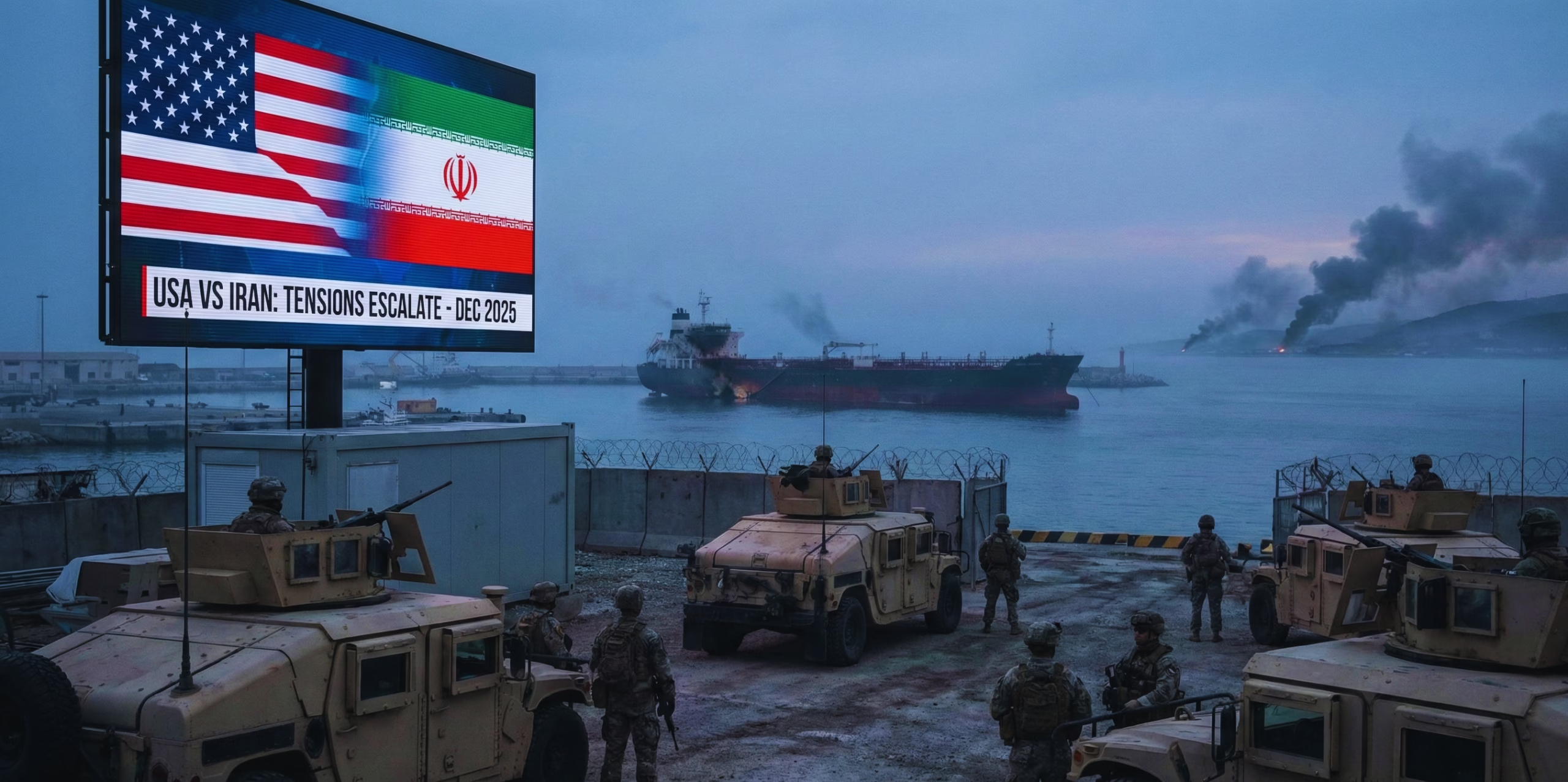
Iran and the West have shared a tense and hostile relationship for decades. The statement by Iranian President Masoud Pezeshkian regarding a possible full-scale conflict has now intensified concern worldwide in the context of Iran vs USA war tensions. This situation did not rise overnight. It is deeply rooted in history, military confrontations, sanctions, and geopolitical rivalries.
Thank you for reading this post, don't forget to subscribe!Historical Roots of Iran and West Tensions
The conflict traces back many decades. One of the most critical turning points came in 1953. The CIA backed coup removed Iran’s democratic Prime Minister Mohammad Mossadegh and restored the Shah’s authoritarian rule. This created distrust and anger among Iranians toward the United States.
In 1979, the Islamic Revolution transformed Iran’s political system. Iran shifted from a pro Western monarchy to a religious republic that openly opposed Western influence, which was a significant factor related to Iran vs USA war atmosphere. Diplomatic ties collapsed. Hostility increased. Since then, confrontation has shaped every stage of Iran’s foreign policy.
The Impact of War and Sanctions on Iran
The Iran Iraq War from 1980 to 1988 played a major role in molding Iran’s military and political mindset. Iran fought for eight years with massive loss of life. Many Western states tilted support toward Iraq during the conflict. Iran never forgot this reality.
Sanctions became another powerful weapon used by the West in efforts concerning Iran vs USA war strategies. The sanctions restricted Iran’s economy, banking system, and energy exports. These restrictions damaged Iran’s economy but also hardened its leadership. Iran began strengthening military capabilities and regional influence as a defensive and strategic response.
JCPOA Withdrawal and Renewed Escalation
The 2015 nuclear agreement, known as the Joint Comprehensive Plan of Action, brought hope for reduced tensions. Iran accepted nuclear limitations in exchange for sanction relief. However, in 2018, the United States withdrew from the agreement and reimposed sanctions, contributing to Iran vs USA war escalation. This move sharply escalated tensions once again.
Iran responded by resuming nuclear activities, building regional influence, and strengthening alliances with proxy groups. The environment became more volatile. Trust further disappeared.
President Pezeshkian’s Statement: What Does It Mean
President Masoud Pezeshkian’s remarks about facing full scale war with the West show rising confidence and frustration. His statements focus on resisting Western pressure and defending Iran’s sovereignty. He projects Iran as a strong and determined nation.
His language aims to achieve several goals:
- Strengthen domestic unity
- Send a message of defiance to the West
- Warn against further sanctions and military threats
- Reassure Iran’s allies and strategic partners regarding Iran vs USA war tensions
This rhetoric also complicates diplomatic engagement. Western nations must now calculate whether this is symbolic political messaging or a genuine step toward confrontation.
Recent Military Escalations and Consequences
Recent months have seen rising military exchanges between Iran, Israel, and regional forces, focusing on an overarching Iran vs USA war situation. Air strikes, retaliatory attacks, and military preparedness have increased. Iran has expanded its missile capability. Israel has strengthened defense responses and intelligence operations.
The impact is not only strategic but human. Iranian citizens face emotional stress, economic hardship, and fear of escalation. Israeli civilians experience constant security alerts and uncertainty. Regional stability remains at risk.
Global and Regional Reactions
Regional powers watch the situation carefully. Gulf nations remain concerned about instability and oil security in the context of Iran vs USA war risks. European nations push for diplomatic restraint. The United States maintains strong warnings but also weighs strategic consequences.
Any uncontrolled escalation could involve multiple countries and widen conflict across the Middle East. The risk to global oil supply, international trade, and regional peace is serious.
Economic Impact of Rising Conflict
Sanctions are already damaging Iran’s economy. Rising conflict could worsen inflation, unemployment, and public hardship. Global oil markets may face price shocks as a result of Iran vs USA war consequences. Shipping routes may face disruption. Energy dependent countries would feel the immediate effect.
Diplomacy: Is There Still a Path
Diplomacy remains important as tensions of an iran vs usa war unfold. International organizations like the United Nations may attempt mediation. Negotiation channels need to stay open. The world has learned that large wars rarely deliver benefits. Dialogue is the safest path.
Future Outlook
The future depends on strategic decisions from both Iran and the West. Three key possibilities exist:
- Escalation into larger military conflict
- Controlled tension with limited engagement
- Return to negotiation and strategic compromise concerning Iran vs USA war
The coming months will determine which path the world follows.
Conclusion
President Pezeshkian’s declaration regarding full scale war reflects decades of history, distrust, sanctions, and power struggle between Iran and the West. The situation remains tense. The stakes are high as the Iran vs USA war situation unfolds. The world watches carefully while diplomacy, strategy, and restraint decide the next chapter.